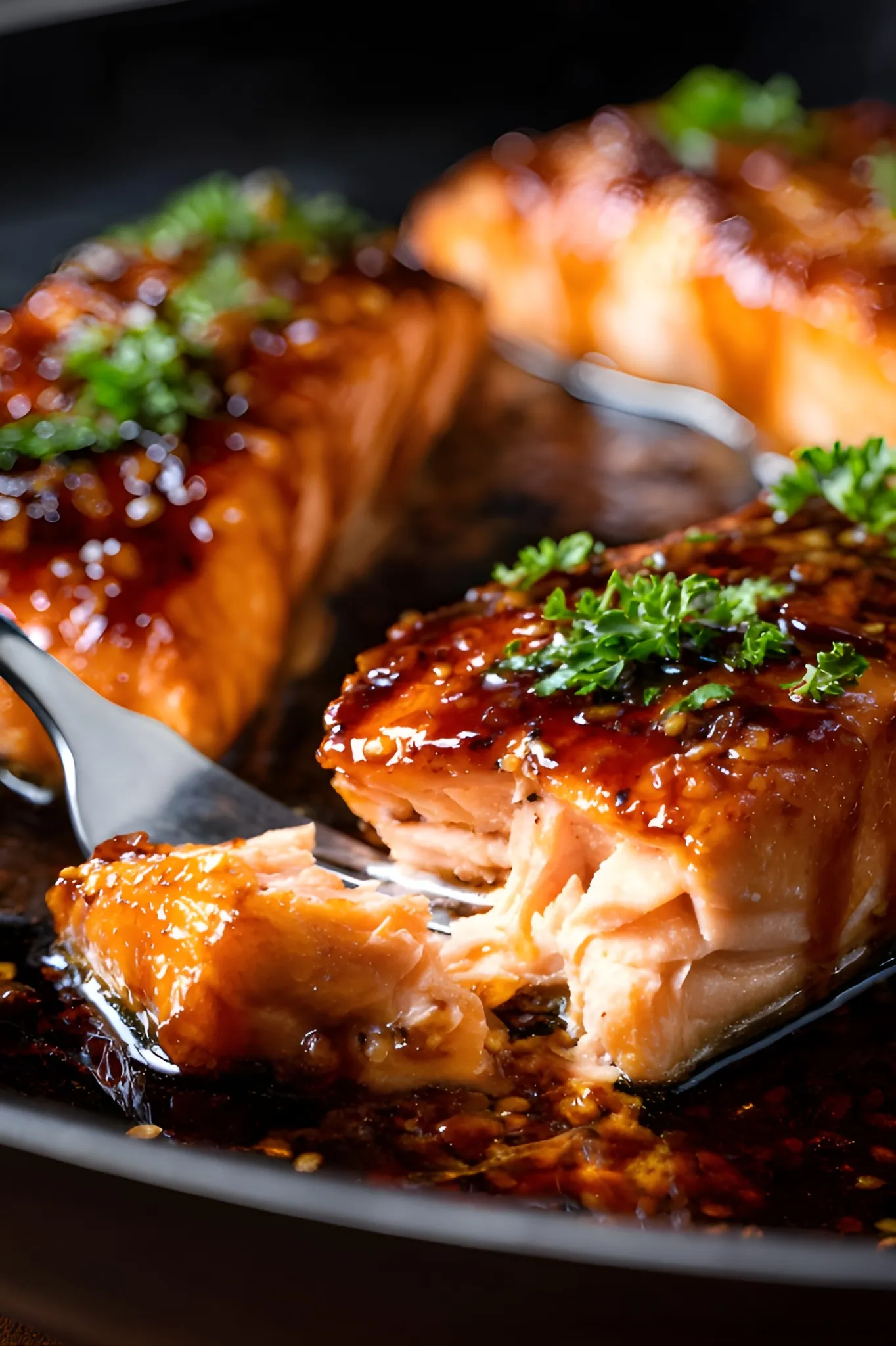
Mastering the Art of Irresistibly Crispy Honey Glazed Salmon
For many home cooks, the idea of preparing salmon can be a little daunting. We’ve all been there: eyeing those beautiful fillets at the market, only to envision them transforming into dry, sad, flavorless pieces once they hit the pan. The quest for that perfect balance – a golden, crispy exterior giving way to succulent, flaky flesh – often feels like an elusive culinary secret.
But what if we told you that achieving perfectly crispy honey glazed salmon is not only possible but incredibly easy, often coming together in under 30 minutes? Imagine walking into your kitchen, the aroma of sweet, savory, and slightly spicy notes filling the air, and hearing rave reviews from your family. This isn't a fantasy; it's the reality of a well-executed honey glazed salmon recipe, a true weeknight hero that promises both flavor and ease.
This article will guide you through the simple yet effective techniques to transform your salmon from intimidating to irresistible. We'll uncover the secrets to a stunning glaze, discuss the best cooking methods for maximum crispness and juiciness, and even share clever tips for making the most of any delicious leftovers.
The Culinary Alchemy: Why Honey Glazed Salmon Works Wonders
The magic of honey glazed salmon lies in a few key principles that, when combined, create a truly exceptional dish. It's more than just a sweet sauce; it's a strategic fusion of ingredients and techniques designed to elevate the natural richness of salmon.
The Power of the Glaze: Sweet, Savory, and Tangy Harmony
At its heart, the honey glaze is a symphony of contrasting flavors. Honey provides the essential sweetness, which not only tastes delightful but also plays a crucial role in caramelization, giving the salmon its beautiful golden-brown crust. This sweetness is perfectly balanced by:
- Savory Depth: Ingredients like garlic and soy sauce introduce umami and a robust, savory foundation that prevents the dish from being overly sweet. Freshly grated garlic offers a pungent aroma and taste that permeates the fish.
- Bright Acidity: A touch of lime or lemon juice is a game-changer. It cuts through the richness of the salmon and the sweetness of the honey, adding a vibrant, fresh lift. This acidity also helps to tenderize the fish slightly.
- Optional Kick: A dash of sriracha or red pepper flakes introduces a subtle warmth that complements the sweetness and adds an exciting layer of complexity without overwhelming the palate.
The sugars in the glaze – primarily from honey and sometimes augmented by a pinch of brown sugar – are key to achieving that desirable crispy, slightly sticky texture on the salmon's surface. As these sugars heat up, they caramelize, forming a delicious, irresistible crust.
Cooking Methods: High Heat for High Reward
Forget low and slow; for crispy, juicy honey glazed salmon, high heat is your best friend. Rapid cooking at elevated temperatures helps in two significant ways:
- Crispness: Whether you're searing in a hot cast-iron skillet or baking at 450°F (230°C) in the oven, high heat quickly renders the salmon skin (if present) and caramelizes the glaze, creating that satisfying crispy exterior.
- Juiciness: Counterintuitively, quick cooking at high heat is also vital for keeping the salmon moist. It cooks the fish efficiently, minimizing the time it spends in the heat and reducing the risk of overcooking and drying out. A perfectly cooked salmon fillet will be firm but still flake easily with a fork, with a moist, opaque interior.
The combination of a well-balanced, sugar-rich glaze and high-heat cooking creates a delicious chemical reaction, resulting in a dish that's both flavorful and texturally divine.
Crafting Your Signature Honey Glaze: Ingredients & Variations
While the core components of a honey glaze remain consistent, there's ample room for customization. Experimenting with different additions can tailor the flavor profile to your personal preferences.
Essential Glaze Ingredients:
- Honey: The star! Use a good quality honey for the best flavor. Local raw honey often has more nuanced notes.
- Garlic: Freshly minced or grated garlic is paramount. It releases more flavor and aroma than dried garlic powder.
- Soy Sauce: Adds umami and saltiness. Opt for low-sodium soy sauce if you're watching your sodium intake. Tamari is a great gluten-free alternative.
- Acid (Lime or Lemon): Freshly squeezed juice is best. It brightens the whole dish. Lime tends to be a bit sweeter and more aromatic, while lemon offers a sharper, zestier kick.
- Optional Heat: Sriracha, red pepper flakes, or even a dash of cayenne pepper for a spicy honey glazed salmon. Adjust to your desired level of heat.
Creative Variations to Explore:
- Hot Honey-Glazed Salmon: Infuse your honey with chili flakes or a tiny bit of cayenne before mixing it with other ingredients for a consistent spicy-sweet heat.
- Honey-Lime-Ginger: Add a teaspoon of freshly grated ginger to the glaze for an aromatic, slightly peppery dimension that pairs wonderfully with lime.
- Smoky Honey-Paprika: Incorporate smoked paprika into your glaze for a deep, smoky flavor profile. A pinch of ground cumin can further enhance this.
- Sesame-Kissed Glaze: A tiny drizzle of toasted sesame oil added at the very end of cooking (or to the reserved glaze) can impart a wonderful nutty aroma.
Don’t be afraid to taste your glaze mixture before applying it to the salmon. Adjust the balance of sweet, savory, and tangy until it perfectly suits your palate.
Your Step-by-Step Guide to Perfect Honey Glazed Salmon
Achieving that desired crispy, juicy result is all about proper preparation and execution. Here’s how to do it:
1. Prepare Your Salmon Fillets
- Choose Wisely: Opt for skin-on salmon fillets, ideally about 6 ounces each. The skin provides a protective layer that helps keep the fish moist and crisps up beautifully.
- Pat Dry: This step is crucial for crispiness! Use paper towels to thoroughly pat both sides of the salmon fillets dry. Excess moisture steams rather than crisps.
- Season: Lightly season the salmon with kosher salt and freshly ground black pepper.
2. Whisk Together Your Glaze
In a small bowl, combine your chosen glaze ingredients (e.g., honey, grated garlic, soy sauce, lime juice, sriracha). Whisk until well combined. Reserve about 1-2 tablespoons of this mixture in a separate small bowl for drizzling after cooking. This keeps the fresh, vibrant flavors of the glaze prominent.
3. Choose Your Cooking Method
Both oven baking and pan-searing with a broiler finish offer excellent results. Consider what equipment you have and your preference for hands-on versus hands-off cooking.
Method A: High-Heat Oven Baking (Minimal Hands-On)
- Preheat Oven: Preheat your oven to a high temperature, typically 400-450°F (200-230°C).
- Prepare Baking Sheet: Line a baking sheet with aluminum foil for easy cleanup. If you plan to eat the skin, lightly spray the foil with nonstick cooking spray.
- Glaze and Season: Place the salmon fillets, skin-side down, on the prepared baking sheet. Brush the majority of your glaze generously over the salmon. If using additional dry spices like brown sugar, cumin, or smoked paprika (as some recipes suggest), press them onto the glazed surface now.
- Create a Border: Crimp the edges of the aluminum foil around the salmon to create a small border. This helps contain any juices and prevents them from burning on the pan.
- Bake: Bake for 10-15 minutes, or until the glaze is shiny, slightly caramelized, and the salmon flakes easily with a fork. Cooking time will vary based on the thickness of your fillets. For precise results, an internal temperature of 145°F (63°C) is ideal.
Method B: Pan-Sear & Broil (For Maximum Crispness)
- Heat Pan: Heat an oven-safe skillet (cast iron is excellent for this) over medium-high heat until hot but not smoking. Add a tablespoon of high-smoke-point oil (like avocado or grapeseed).
- Sear Salmon: Place the salmon fillets, skin-side down, in the hot skillet. Sear for 4-5 minutes until the skin is beautifully crispy and golden brown.
- Glaze and Broil: Flip the salmon. Immediately brush the top side generously with the glaze. Transfer the skillet to the preheated broiler (set to high). Broil for 2-4 minutes, watching carefully, until the glaze is bubbly and caramelized, and the salmon is cooked through. This method is fantastic for an extra-crispy finish.
- No Oven-Safe Pan? Sear the salmon in any pan you have. Once seared, transfer the fish and any remaining sauce to a baking dish and finish baking or broiling in the oven.
4. Rest and Serve
Once cooked, remove the salmon from the heat and let it rest for 2-3 minutes. This allows the juices to redistribute, ensuring a more tender and moist fillet. Just before serving, drizzle with the reserved honey-glaze mixture for an extra burst of fresh flavor.
Serving Suggestions & Savvy Leftovers
Your perfectly cooked honey glazed salmon is versatile and pairs beautifully with a variety of sides. It's also surprisingly delicious the next day!
Perfect Pairings:
- Grains: Steamed jasmine rice, fluffy quinoa, or even couscous are excellent choices for soaking up the delicious glaze.
- Vegetables: Roasted asparagus, tender-crisp broccoli, steamed green beans, or a vibrant mixed green salad with a light vinaigrette. The freshness of vegetables provides a wonderful counterpoint to the richness of the salmon.
- Potato Options: Garlic mashed potatoes or roasted sweet potato wedges offer a comforting side.
Making the Most of Leftovers:
One of the best things about this honey glazed salmon is how well it keeps. Store any leftovers in an airtight container in the refrigerator for up to 3 days. The flavors often deepen overnight as the glaze fully penetrates the fish.
Reheating Without Drying it Out:
The key to reheating salmon is gentle warmth to preserve its moisture and texture. Avoid high heat at all costs!
- Stovetop Method: Place the salmon in a covered skillet over very low heat with a tiny splash of water or broth. The steam will gently warm the fish through in 5-7 minutes.
- Microwave Method: If using a microwave, reheat at 50% power in short 30-second bursts. This prevents the salmon from becoming rubbery and dry.
- Cold Delights: Don't underestimate cold leftovers! Flake the salmon over a fresh salad for a quick and healthy lunch, or mix it into a salmon salad sandwich. The cool, marinated flavor can be truly delightful.
Conclusion
Say goodbye to dry, sad salmon and hello to a vibrant, flavorful, and irresistibly crispy honey glazed masterpiece. By understanding the roles of a balanced glaze and high-heat cooking, you can confidently create a dish that's not only impressive but also incredibly simple to prepare. This recipe is a testament to how easy it is to elevate weeknight dinners from ordinary to extraordinary, proving that delicious, restaurant-quality food is well within reach for any home cook. So go ahead, grab those salmon fillets, and prepare to delight your taste buds!
